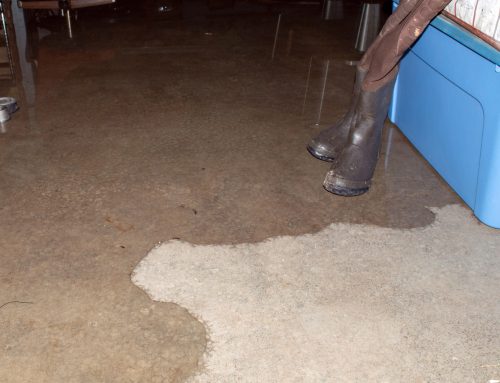
If you’ve noticed water stains, musty smells, or visible dampness in your basement, you’re not alone. Wet basements are one of the most common home problems faced by Toronto homeowners — and one of the most misunderstood. A quick online search will return a range of solutions, from DIY sealants to full excavation, and knowing which approach is actually right for your situation can feel overwhelming.
The truth is, there is no single “best” waterproofing method. The right solution depends on where your water is coming from, your home’s construction, your budget, and your long-term goals. This guide breaks down each major method clearly so you can make an informed decision — and know the right questions to ask before you commit to anything.
Why Basements Get Wet in the First Place
Before comparing methods, it helps to understand the source of the problem. Basement water intrusion typically falls into one of three categories:
Surface water — rainwater or snowmelt that collects near the foundation due to poor grading or drainage around your home.
Hydrostatic pressure — groundwater that builds up in the soil around your foundation and pushes inward through cracks, joints, or porous concrete.
Condensation — moisture from indoor air that collects on cool basement walls and floors, often mistaken for a leak.
Most serious water problems in Toronto basements are caused by hydrostatic pressure. The clay-heavy soils common throughout the GTA retain water exceptionally well, which means sustained pressure against your foundation walls is a year-round reality — not just a spring thaw issue.
The Main Basement Waterproofing Methods
1. Interior Waterproofing (Interior Drainage Systems)
Interior waterproofing is the most commonly recommended solution for managing water that has already entered — or is actively entering — a basement. Rather than stopping water at the source, an interior system controls and redirects water before it can cause damage.
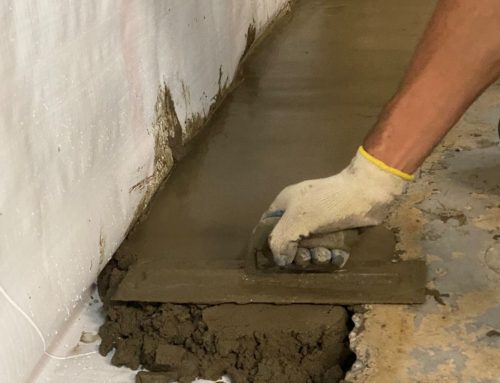
How it works: A drainage channel is installed along the interior perimeter of the basement floor, directing water to a sump pit. A sump pump then expels that water away from the home. The system runs beneath the concrete floor and is typically covered with a waterproof membrane on the walls to prevent efflorescence and moisture from affecting your finished space.
Best for: Homes with active water entry through wall-floor joints, floor cracks, or through porous concrete. Also commonly used when exterior excavation is not practical or cost-effective.
Advantages:
- Less invasive and more affordable than full exterior excavation
- Can be completed in one to two days in most homes
- Highly effective for managing ongoing hydrostatic pressure
- Does not require disturbing landscaping, driveways, or exterior structures
Limitations: Interior waterproofing manages water — it does not stop water from reaching the foundation wall. If there is active structural damage, it should be addressed separately.
2. Exterior Waterproofing
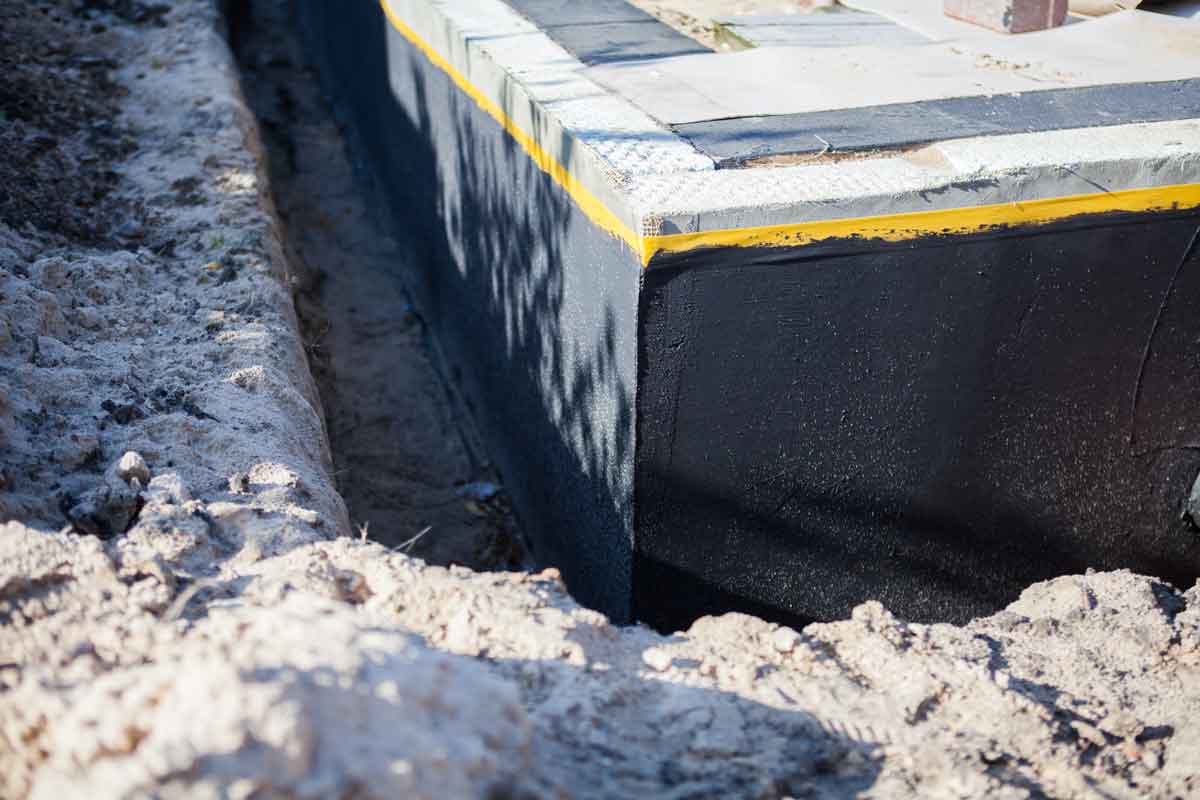
Exterior waterproofing is the most comprehensive method available. It addresses the problem at its source by preventing water from ever reaching the foundation wall.
How it works: The soil around your home’s foundation is fully excavated down to the footing. The foundation walls are then cleaned, repaired, and coated with a waterproof membrane. New weeping tile (drainage pipe) is installed at the footing level to redirect groundwater away from the structure, and the excavation is backfilled with a drainage-friendly aggregate.
Best for: New construction, homes with deteriorating or failed exterior waterproofing, visible exterior foundation cracks, or situations where the homeowner wants the most thorough long-term protection available.
Advantages:
- Stops water at the source before it touches the foundation
- Allows for full inspection and repair of exterior foundation walls
- Combines membrane protection with proper drainage in one system
Limitations: Exterior waterproofing is a major project. It requires excavation around the perimeter of the home, which means disturbing landscaping, removing decks or walkways where necessary, and a longer project timeline. It is also a higher investment than interior systems.
3. Weeping Tile Systems
The term “weeping tile” refers to the perforated drainage pipe installed at the base of a foundation to collect and redirect groundwater. It’s a component used in both interior and exterior waterproofing systems — but it’s worth understanding on its own because failed or absent weeping tile is one of the most common root causes of chronic wet basements in older Toronto homes.
Many homes built before the 1980s used clay tile weeping systems that have since collapsed or become blocked. When these systems fail, groundwater has nowhere to go and begins pushing into the basement.
Weeping tile replacement can be done from the interior (as part of an interior waterproofing system) or from the exterior (as part of a full excavation). The right approach depends on the extent of the failure and the overall condition of your foundation.
4. Sump Pump Installation
A sump pump is not a waterproofing system on its own — but it is an essential component of any interior drainage system, and in many cases, adding or upgrading a sump pump can significantly reduce water intrusion.
Modern sump systems include battery backup units that continue operating during power outages — which is exactly when heavy storms are most likely to cause flooding. If your home has an older sump pump or no backup system at all, this is worth addressing regardless of what other waterproofing work you do.
5. Crack Injection and Spot Repairs
For isolated foundation cracks that are allowing water in at a specific point, crack injection can be an effective targeted repair. Polyurethane or epoxy is injected into the crack under pressure, sealing it from the inside.
This method works well for minor, non-structural cracks — but it is not a substitute for a full waterproofing system if there is widespread water intrusion. If a crack is structural, or if there are multiple active cracks, a more comprehensive approach will be necessary.
So, Which Method Is Actually Best?
Here’s the straightforward answer: the best waterproofing method is the one that matches the actual source and severity of your water problem.
For most Toronto homeowners dealing with chronic basement moisture, an interior waterproofing system with a properly installed sump pump is the most practical and cost-effective long-term solution. It’s proven, reliable, and can be installed without major disruption to your property.
For homes with deteriorating foundation walls, failed exterior waterproofing, or significant structural concerns, exterior waterproofing is the more complete answer — and the additional investment is justified.
For isolated, minor crack leaks, a spot repair may be all that’s needed.
What doesn’t work? Painting basement walls with sealant products sold at hardware stores. These products do not address the underlying pressure driving water into your home and rarely hold up beyond a season or two. They’re a short-term mask, not a solution.
What to Look for in a Waterproofing Contractor
Whatever method is right for your home, the contractor you choose matters as much as the system itself. Here’s what you should expect from any reputable waterproofing company:
A written, transferable warranty. A warranty is only as good as the company standing behind it. Ask how long they’ve been in business and whether the guarantee transfers if you sell the home. A 25-year written transferable guarantee is the standard you should expect from an established contractor.
In-house crews. Some companies sell waterproofing and then subcontract the actual work. In-house crews mean direct accountability for the quality of the installation.
A clear explanation of the recommended system. A trustworthy contractor will take the time to explain what they found, why they’re recommending a specific approach, and what the installation process looks like. If a company is pressuring you to sign on the spot, that’s a red flag.
Full insurance. Any contractor working on your foundation should carry full liability and WSIB coverage. Ask for proof before work begins.
Get a Free Estimate from Max Wolf Construction
At Max Wolf Construction, we specialize exclusively in residential waterproofing and foundation repair throughout Toronto and the GTA. Our in-house crews bring 30+ years of combined experience, and every project we complete is backed by a 25-year written transferable guarantee.
We don’t push. We assess your situation honestly, explain your options clearly, and recommend only what your home actually needs.
Ready to find out what’s causing your wet basement? Contact us today to schedule your free estimate.